
Engineering simulation is facing a scale crisis. While solver-based parallelism has advanced significantly, robust geometry handling and meshing pipelines remain underdeveloped. This is particularly challenging for industrial CAD models, which are often complex, massive, and not designed for exascale computing environments.
My work within REMODEL focuses on developing a distributed CAD pipeline capable of load-balanced distribution and parallel deserialization of industrial-grade geometries. This requires careful management of data migration, communication, locality, and geometric fidelity. My experience in engineering consultancy has shaped how I approach this problem: scalable software must remain robust when confronted with messy, high-value industrial data.
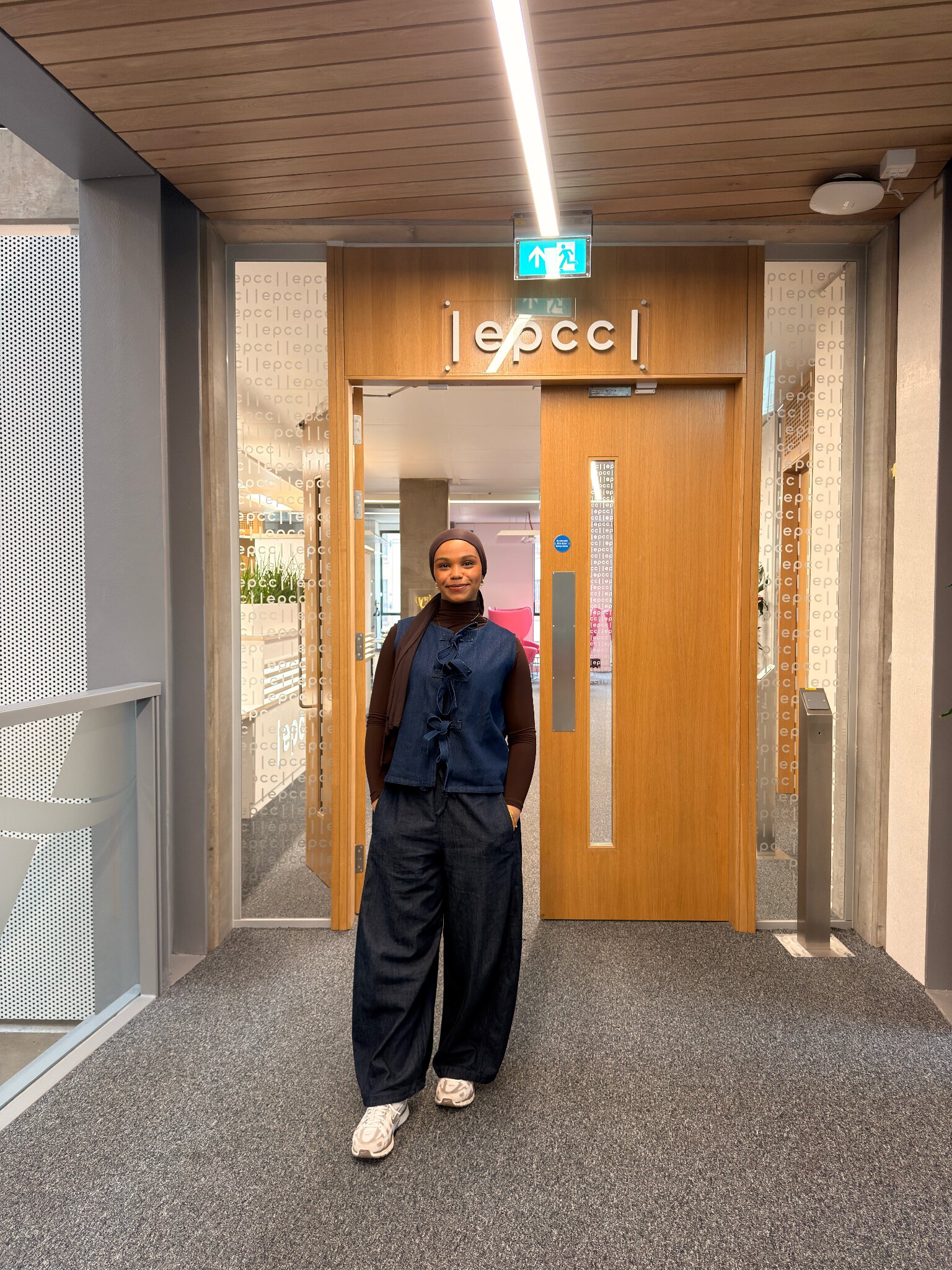
To support this work, I spent a week at EPCC’s Bayes Centre, focusing on shared- and distributed-memory parallelism. The OpenMP sessions covered nested parallelism, memory models, and performance tuning. The MPI sessions were especially relevant to my work, covering communication patterns, non-blocking operations, and derived data types for complex memory layouts.
Discussions around data locality and the order of operations were particularly useful, with direct implications for inter-node CAD access. The week provided both a principled mental model for scalable software design and practical guidance for testing performance.
The key takeaway was simple: do not assume, test.
I left a happy, load-balanced engineer!